Health and Safety Policy for Tree Surgeons Pinner
 This Health and Safety Policy sets out the standards, responsibilities, and working practices expected from tree surgeons in Pinner and throughout every project we undertake. Tree work can involve heavy equipment, working at height, sharp cutting tools, falling branches, and changing site conditions, so safety is never treated as an afterthought. Our approach is built around planning, vigilance, communication, and continuous risk control. We believe that every task, from a small pruning job to a complex tree removal, must be completed with careful preparation and a strong commitment to protecting workers, clients, visitors, and property.
All operations are carried out in accordance with recognised health and safety principles, with the understanding that tree surgery is a high-risk activity requiring disciplined control measures. Before any work begins, a site assessment is undertaken to identify hazards such as overhead obstructions, unstable ground, nearby structures, traffic movement, nesting wildlife, electrical risks, or public access. Where risks are identified, suitable controls are introduced and work only proceeds once the team is satisfied that the environment is safe enough to continue.
 Every member of the tree surgery team has a duty to work responsibly, follow instructions, and report unsafe conditions immediately. Supervisors are responsible for ensuring that tasks are allocated only to competent personnel and that equipment is used correctly. Tree surgeons are expected to maintain awareness of surrounding activity, especially when using chainsaws, wood chippers, ladders, ropes, rigging systems, or climbing equipment. No task is considered routine when the potential for harm is present.
Risk Management and Safe Systems of Work
The core of this policy is a structured system of risk management. Each job is planned to reduce exposure to preventable incidents and to ensure that all work methods are proportionate to the site conditions. This includes selecting the right access method, identifying exclusion zones, checking weather conditions, and confirming that equipment is suitable for the task. Where the work involves dismantling large sections of a tree, using elevated platforms, or operating near roads and pathways, extra precautions are applied to minimise danger.
Work at height is approached with particular caution. Tree climbing, aerial rescue readiness, and the use of harnesses and ropes require specialist competence and regular inspection of all associated gear. All equipment must be checked before use, and any item showing wear, damage, or defect is removed from service immediately. Chainsaws and cutting tools are handled only by trained personnel wearing the appropriate personal protective equipment, including helmets, eye protection, gloves, protective trousers, and safety footwear.
 A strong emphasis is placed on safe tree surgery practices when dealing with falling debris, unstable limbs, or dismantling operations. Zones beneath active work areas are controlled to prevent unauthorised entry, and clear communication is maintained between climbers, ground staff, and supervisors. When lifting, dragging, or lowering timber, team members must use agreed signals and methods to prevent collision, entanglement, or unexpected load movement. In all situations, the objective is to reduce risk before it can become an incident.
Training, Competence, and Equipment Control
Competence is fundamental to this policy. Tree surgeons are expected to hold the knowledge and practical ability required for their duties, and additional instruction is provided where new tasks or techniques are introduced. Training covers hazard awareness, emergency response, equipment handling, manual handling, fire precautions, and the correct use of climbing and cutting systems. Refresher training may be given where needed to maintain high standards and support safe decision-making.
Equipment control is equally important. All machinery, vehicles, tools, and safety gear must be maintained in good condition and inspected regularly. Defective equipment must be reported, labelled, and removed from use until repaired or replaced. Fuel storage, sharpening procedures, and transport of tools are managed carefully to reduce fire risk, contamination, and accidental injury. When machinery such as chippers or saws is in operation, only authorised personnel may approach, and guards or safety devices must never be bypassed.
Manual handling is addressed through planning and teamwork. Tree surgery often requires moving timber, brash, and other heavy materials, so lifting techniques are chosen carefully and mechanical assistance is used whenever possible. Staff are encouraged to assess the load, the route, and the surrounding ground before attempting any movement. Efficiency must never override safety, and any task that appears too heavy, awkward, or unstable is to be reassessed before continuing.
Emergency Preparedness and Incident Reporting
Emergencies can occur despite the best controls, which is why clear response procedures are maintained for injuries, falls, equipment failure, fire, and unexpected site hazards. First aid arrangements are kept in place, and team members are made aware of the action to take if an accident occurs. Where tree work takes place near power lines, traffic routes, or public access points, additional emergency planning is required to allow a swift and orderly response.
All accidents, near misses, and unsafe conditions must be reported promptly so that lessons can be learned and corrective action taken. Incident reporting is treated as part of prevention, not blame. By examining what happened, why it happened, and how it can be avoided in future, the business strengthens its overall safety performance. In this way, tree surgeons contribute to a safer working culture through openness and accountability.
Regular reviews of this policy ensure that it remains effective, practical, and aligned with current working methods. Continuous improvement is essential in an industry where conditions change from site to site and season to season. By following this policy, the team demonstrates a shared commitment to professionalism, responsible practice, and the highest possible standards of health and safety in every aspect of tree surgery.
Final Commitment
 We recognise that safe tree work depends on planning, discipline, and respect for the hazards involved. Every task is approached with a focus on preventing injury, protecting property, and maintaining a secure work environment for everyone affected by the operation. This policy applies to all staff, subcontractors, and anyone involved in our tree surgery activities.
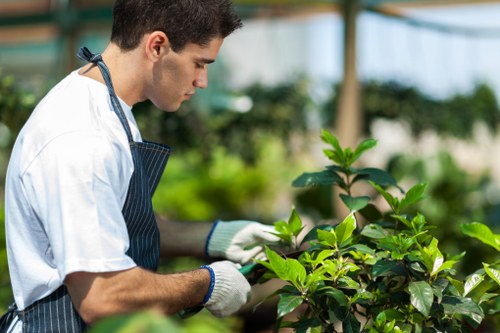 By upholding these standards, tree surgeons in Pinner can carry out their work efficiently while prioritising safety at every stage. Our commitment is to remain alert, properly trained, and prepared for changing conditions, ensuring that health and safety remain central to all operations.