Tree Pruning in Pinner
If you are looking for tree pruning in Pinner, you are probably trying to solve one of a few common problems: branches that are getting too large for a garden, trees blocking light from a home or office, limbs overhanging a path or driveway, or a tree that simply needs shaping and professional care. In a place like Pinner, where gardens range from compact suburban plots to larger established landscapes, the right pruning work can make a noticeable difference to safety, appearance, and the long-term health of your trees.
Pruning is not just about cutting back growth. Done properly, it helps manage structure, encourage healthy development, reduce strain on weak limbs, and keep trees in proportion with their surroundings. Done badly, it can leave a tree stressed, unbalanced, or vulnerable to disease. That is why local customers often prefer a skilled, experienced team that understands the trees commonly found in Pinner and the practical challenges of working around homes, driveways, boundary lines, and commercial premises.
Whether you need a one-off reduction, seasonal maintenance, crown thinning, deadwood removal, or careful shaping for a mature tree, a local arboricultural service can help you decide on the right approach. Contact us today if you want a sensible, professional solution that fits your property and the condition of your trees.
Why tree pruning matters for Pinner properties

Pinner has a mix of detached homes, semi-detached houses, terraced properties, leafy roads, schools, small commercial units, and well-kept private gardens. That variety means tree care needs to be practical as well as attractive. A tree may look healthy from a distance, but overgrown branches can still cause problems with windows, gutters, roofs, fences, access routes, and neighbouring boundaries.
Routine pruning can help keep trees in good shape while preventing avoidable issues. For homeowners, that may mean more sunlight in the garden, less leaf fall onto patios and drains, and improved visibility from windows and driveways. For business owners and property managers, it may mean safer walkways, better presentation, and fewer interruptions to customers, staff, or visitors.
In established residential streets, mature trees often have to be managed carefully so they continue to add value without creating nuisance or risk. A thoughtful pruning plan respects the tree’s natural form, the season, and the setting. That is especially important in places where properties sit close together and branch spread can quickly affect more than one boundary.
What professional tree pruning can achieve
Tree pruning in Pinner can serve a range of purposes, depending on the species, age, condition, and location of the tree. The right service is usually tailored rather than “one size fits all”.
Some of the most common reasons customers book pruning work include:
- Reducing branches that are encroaching on roofs, windows, sheds, and conservatories
- Improving clearance above driveways, paths, roads, and access gates
- Removing dead, damaged, or diseased wood
- Thinning dense crowns to allow more light and air through
- Restoring shape after storms or irregular growth
- Controlling size where a tree has outgrown its position
- Improving safety around gardens, play areas, and public-facing spaces
Different pruning methods are used for different outcomes. A light tidy-up will not have the same effect as a crown reduction. Similarly, a tree with crossing branches may need structural correction rather than simple trimming. The benefit of using a local tree team is that they can assess the actual condition of the tree and recommend a sensible option rather than an unnecessary cut.
Common pruning services requested by local customers
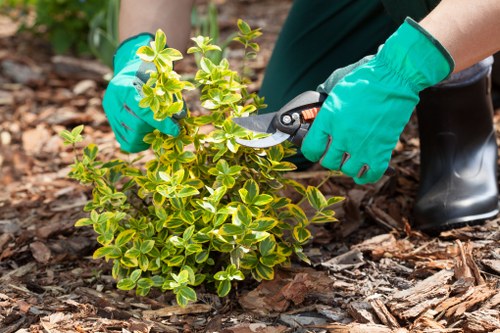
Most customers do not ask for pruning using technical terms. They usually describe the problem in everyday language: “The tree is getting too big,” “It’s shading the lounge,” “The branches are near the roof,” or “We need a cleaner look for the front garden.” A good service should translate those concerns into the right arboricultural work.
Typical pruning services include crown thinning, crown reduction, deadwood removal, crown lifting, formative pruning for younger trees, and selective branch removal. Each has a distinct purpose. Crown thinning reduces density without changing the overall outline too dramatically, while crown reduction lowers height and spread in a controlled way. Deadwood removal removes brittle, non-living branches that could fall unexpectedly. Crown lifting clears lower branches to create space beneath the canopy.
For younger trees, formative pruning is especially valuable because it helps establish strong branch structure early on. This can reduce future problems and lower the need for heavier work later. In Pinner gardens where planting space may be limited, shaping young trees correctly can make a real difference to how well they fit into the property over time.
How a local pruning service works
Booking tree pruning in Pinner should feel straightforward. A reliable service begins with an initial discussion about the tree, the issues you are facing, and the results you want. From there, an experienced arborist can identify the most suitable pruning method and explain what is likely to happen during the visit.
In most cases, the process includes:
- Initial assessment – checking the species, size, health, location, and any nearby constraints such as buildings, overhead lines, or public access.
- Pruning plan – deciding whether thinning, reduction, lifting, selective cutting, or deadwood removal is the right approach.
- Site preparation – planning access, protecting surrounding areas where needed, and arranging equipment for the property layout.
- Pruning work – carrying out the cuts carefully to support the tree’s health and the customer’s aims.
- Clearing up – removing branches and debris, leaving the area tidy and usable again.
The best pruning work is tidy, controlled, and respectful of the tree’s natural shape. It should look intentional rather than hacked back. That matters in Pinner, where many gardens and frontages are part of the overall appearance of the street as well as the property itself.
Tree pruning for homes, gardens, and commercial premises

Tree care needs vary between residential and commercial sites, and a local team should be ready for both. In homes across Pinner, pruning often focuses on light, privacy, safety, and garden usability. A mature tree near a patio may need crown lifting so the space feels open again. A large specimen near a boundary might need selective reduction so it no longer overwhelms a neighbouring garden. A smaller ornamental tree may need shaping so it continues to look neat and balanced.
Commercial properties in and around Pinner may need pruning for access, presentation, and safety. Trees near shopfronts, office entrances, car parks, or shared pathways can create obstruction if left unmanaged. Branches that hang too low can interfere with vehicles and pedestrians, while dense growth can make an entrance look neglected. Regular maintenance helps keep a site professional and welcoming.
Because every property type has different priorities, tree pruning should always be matched to the setting. A family garden, a rented property, a school boundary, and a business forecourt do not need the same level of intervention. Local knowledge helps ensure the work is practical and appropriate rather than overly aggressive.
Why local experience matters in Pinner
Pinner has its own character, and local tree work needs to account for that. Properties can be close together, access can be narrow, and parking can be limited on some roads. A pruning team familiar with the area is more likely to plan the visit efficiently and avoid unnecessary disruption.
Local experience also matters because different tree species behave differently in different settings. Some trees respond well to light reduction, while others need more conservative care. Mature street trees, boundary trees, and garden specimens can all have different requirements. An experienced arborist will know how to work with the tree instead of forcing a generic cut.
There is also a practical benefit to working with a nearby team: they understand the realities of local properties, from shared driveways to rear-garden access and the need to protect lawns, paving, sheds, and planting beds. That can make the whole process smoother from the first enquiry through to completion.
Signs your tree may need pruning
It is not always obvious when a tree needs attention. Some issues develop gradually, so homeowners and site managers sometimes adapt to them rather than noticing the problem straight away. If you are unsure, there are a few common signs that pruning may be appropriate.
Look out for:
- Branches brushing against the house, roof, or windows
- Reduced daylight inside the property or garden
- Dead or broken branches hanging in the canopy
- Branches crossing or rubbing against each other
- Overcrowded growth that looks heavy or unbalanced
- Low limbs restricting movement beneath the tree
- Storm damage or split branches after high winds
- Uneven growth that affects the tree’s appearance
Important: not every issue means the tree needs major work. Sometimes a light prune is enough. In other cases, a tree may need a more careful reduction or a specialist inspection if there are signs of decay or structural weakness. A proper assessment avoids unnecessary cutting and helps keep the tree in better condition for longer.
What is included in a professional pruning visit
Customers often want to know what they are actually getting when they book tree pruning in Pinner. While every job is different, a professional service should usually cover the practical stages needed to complete the work safely and leave the site clean.
Depending on the tree and access, the visit may include:
- Assessment of the tree’s condition and surroundings
- Selection of the right pruning method
- Use of appropriate climbing, rigging, cutting, or access equipment
- Controlled cutting to support healthy regrowth
- Removal of dead, weak, or problematic branches
- Clearing and loading of branches and debris
- Tidy finish so the garden, path, or frontage is usable again
Some customers also ask for pruning to be timed around other property work, such as landscaping, roof maintenance, painting, or seasonal garden jobs. That can be useful because it helps avoid damage to new planting or freshly finished surfaces.
How to prepare for your pruning appointment

A little preparation can make the visit easier and faster. It also helps the team work safely and protects your property. You do not need to do anything complicated, but a few simple steps are worth taking before the work begins.
Preparation checklist:
- Move cars, bins, garden furniture, toys, or fragile items away from the working area if possible.
- Keep pets and children clear of the site during the pruning work.
- Make sure access gates, side passages, and driveway areas are open if they are needed.
- Point out any delicate planting, drains, cable runs, water features, or hidden hazards.
- Let the team know if there are neighbours, tenants, or businesses that may be affected by the timing.
- Discuss any branches you are particularly concerned about before work starts.
If the tree is in a difficult-to-reach rear garden or close to a boundary fence, a local team can often advise on the best way to manage access. That is especially helpful in Pinner, where many properties have limited side access or shared boundary arrangements.
Pricing factors for tree pruning in Pinner
While exact prices vary from job to job, it helps to understand what usually affects the cost. This is useful whether you are comparing quotes or simply trying to estimate the scale of the work.
Typical pricing factors include:
- Tree size and height – larger trees usually require more time, equipment, and care.
- Type of pruning – a light crown thin is different from a major reduction or extensive deadwood removal.
- Species and condition – some trees need more delicate handling, especially if they are stressed or structurally complex.
- Access – narrow side passages, rear-garden access, and limited parking can affect the work plan.
- Waste volume – the amount of material removed influences the clearance effort.
- Site constraints – nearby buildings, boundaries, utilities, and public areas can require extra care.
It is usually best to request a quote after a proper inspection or at least a clear description of the tree and the access. That way, the work can be specified accurately and there are fewer surprises later. If you are comparing options, focus not only on the price but also on the quality of the proposed approach and whether the team explains what will happen and why.
Benefits of regular tree maintenance
Regular pruning is often more effective than waiting until a tree becomes a problem. Small, planned interventions can preserve shape, support healthy growth, and reduce the need for heavy work later on. In a setting like Pinner, that can be particularly valuable because mature trees are often part of the character of a garden or street.
Some of the main benefits include:
- Better light levels in gardens and rooms
- Improved safety by removing weak or broken branches
- Less interference with roofs, drains, windows, and pathways
- A tidier, more balanced appearance
- Reduced risk of branches catching in strong winds
- Healthier tree structure over the long term
Well-timed pruning is usually easier on the tree than reactive cutting after a problem has developed. That is one reason many local customers choose to have trees reviewed periodically, especially where the tree is close to buildings or heavily used parts of the garden.
Why choose a local company for tree pruning in Pinner
Choosing a local team is about more than convenience. It can make a real difference to the quality and smoothness of the job. A local company is more likely to understand the area, plan for parking and access issues, and work around the day-to-day realities of nearby homes and businesses.
Local advantages can include:
- Faster response for enquiries and site visits
- Better understanding of local property layouts
- Practical planning for narrow roads and limited parking
- Experience with both domestic gardens and commercial grounds
- More relevant advice for common tree issues in the area
Customers often prefer a local service because it feels more straightforward. You are not dealing with a distant provider that may not understand the site. Instead, you get a team that can assess the tree in context and recommend work that suits the property, the season, and the likely future growth of the tree.
Nearby areas and places we commonly serve
Tree pruning services for Pinner are often needed across the surrounding neighbourhoods as well, especially where properties share similar tree species, garden styles, and access conditions. Nearby locations can include North Harrow, Harrow Weald, Eastcote, Ruislip, Headstone, Rayners Lane, and parts of Harrow and Wealdstone. Serving the wider local area can be useful for homeowners, landlords, managing agents, and business owners who want a consistent level of care across different sites.
If you manage multiple properties or simply have a tree that sits near a boundary line, it can help to work with a team that understands neighbouring access arrangements and the practical side of local garden work. That is especially true where pruning needs to be coordinated with occupants, tenants, or adjacent property owners.
Frequently asked questions about tree pruning
How often should trees be pruned?
There is no single timetable for every tree. Some trees benefit from occasional light pruning, while others may need more regular attention depending on their species, age, and position. Trees close to homes, paths, or business premises often require more active management than those with plenty of space.
Is pruning the same as cutting a tree back hard?
No. Pruning is a broad term for selective removal of branches to improve health, shape, safety, or size. Heavy cutting can stress the tree if it is not done carefully. A sensible pruning plan uses the least intrusive method that still achieves the right result.
Can pruning help a tree get more light through the canopy?
Yes. Crown thinning can reduce dense growth and allow more light and air through, which can be useful in gardens that feel shaded. It is often requested where a tree is blocking sunlight from a lawn, patio, or living room.
Will pruning damage my tree?
Professional pruning should not damage a healthy tree when it is done properly and at the right time. The goal is to improve the tree’s condition or manage its size without creating unnecessary stress. That is why the choice of method matters so much.
Do I need permission before pruning a tree?
Some trees may be subject to local restrictions or protections, and there can also be considerations around conservation areas. Before work begins, it is sensible to check whether any permissions or notices are required. A professional local team should help you consider this as part of the planning stage.
What happens to the branches and waste?
Branch material is normally removed as part of the service and the site is left tidy. If you want to keep some wood for log piles, habitat areas, or garden use, this can usually be discussed in advance. It is always better to mention such preferences before the work starts.
Choosing the right approach for your tree
There is a difference between a tree that simply needs a tidy and one that needs more detailed structural care. That is why an experienced local arborist will not automatically recommend the same treatment for every situation. The right answer depends on the species, the location, and what the tree is doing in the space.
For example, a mature tree with healthy structure may only need a modest crown thin and the removal of a few dead branches. A tree that has grown too close to a roof may need a careful reduction to create clearance. A young tree near a boundary may need formative pruning to encourage a better long-term shape. A tree that was damaged in wind may need selective corrective work to restore balance.
The aim is always the same: keep the tree safe, attractive, and appropriate for the property while avoiding unnecessary intervention. That is the kind of approach customers in Pinner usually want, especially when the tree has been in the garden for many years.
Book your tree pruning service
If your tree is becoming overgrown, shading your home, touching the roof, or simply needing expert attention, now is a good time to arrange a visit. Request a free quote and discuss the kind of pruning work that would suit your property in Pinner. A local service can help you make a clear decision, carry out the work safely, and leave your outdoor space looking well cared for.
Whether you are a homeowner, landlord, facilities manager, or business owner, professional pruning can make your site safer, brighter, and easier to maintain. Book your service now if you want a practical, well-managed solution for your trees in Pinner and the surrounding area.
Contact us today to talk through your tree, the access at your property, and the result you would like to achieve.